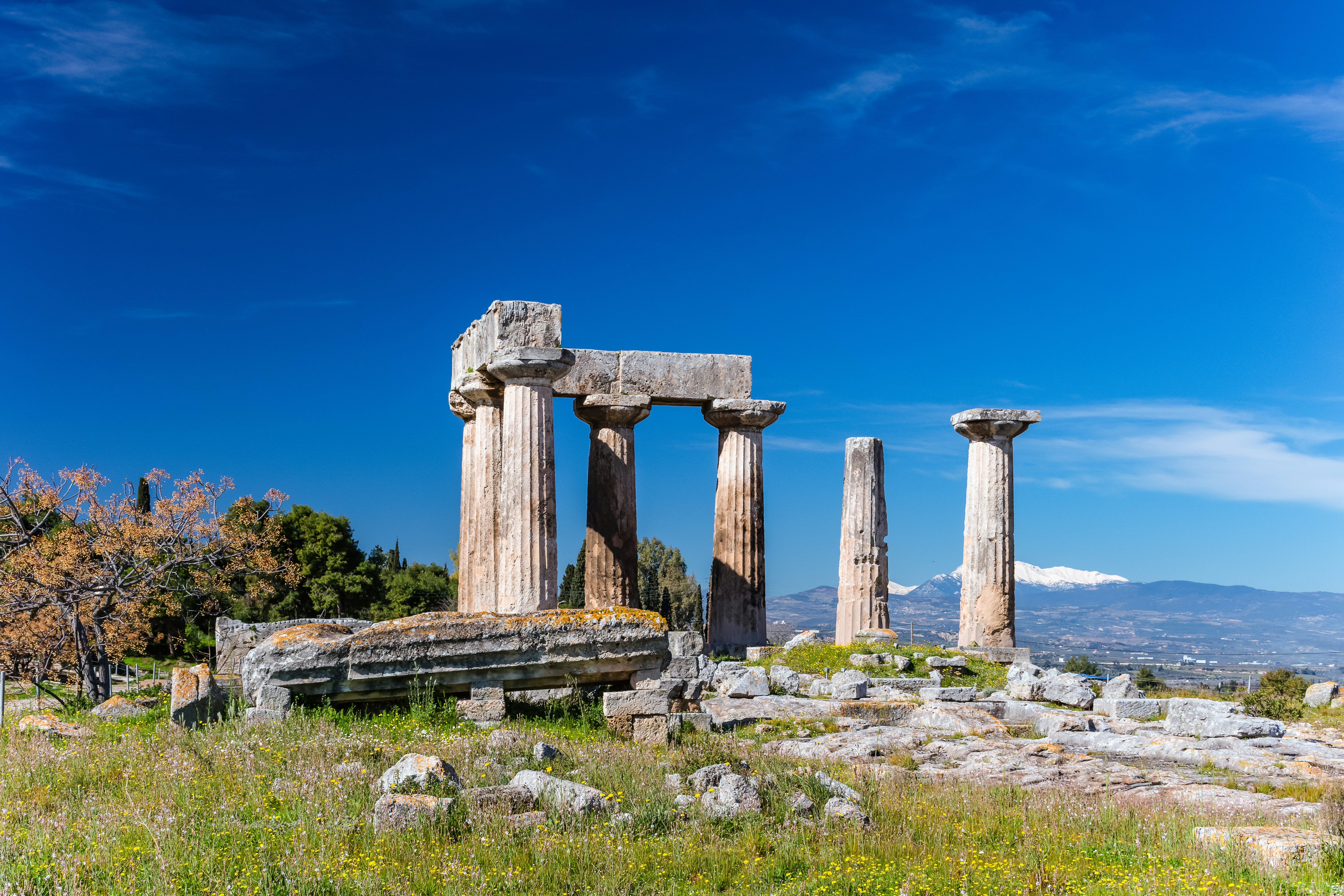
Faithful in Corinth
Acts 18:1–11
After Athens, Paul came to Corinth, a bustling commercial center known as much for its prosperity as for the immorality that filled its streets. It was here that God would build another church, and here that Paul would learn afresh what it means to serve faithfully amid both opposition and discouragement.
A Gospel That Cannot Be Bought
In Corinth, Paul met Aquila and Priscilla, a couple who, like him, were tentmakers by trade. He worked alongside them to support himself, refusing to depend on those he was teaching. In doing so, Paul showed that he had not come to profit from the gospel.
This matters. People, especially those in business, instinctively look for the motive behind anything offered to them, and the gospel is no exception. The gospel is free, and as those who carry it, we are called to show by our conduct that we seek nothing for ourselves.
Steadfast Companions and Encouraging News
Every Sabbath Paul reasoned in the synagogue, persuading both Jews and Greeks about Jesus Christ. When Timothy and Silas arrived from Macedonia, Paul was filled with joy, not only to see his fellow workers but to hear how the believers in Thessalonica were standing firm in the faith.
When the Gospel Is Rejected
In time, Paul met fierce opposition. When the local Jews resisted him and heaped insults on his message, he shook the dust from his clothes and said,
"Your blood be upon your own heads; I am clean: from henceforth I will go unto the Gentiles" (v. 6).
Jesus had taught this principle plainly:
"Give not that which is holy unto the dogs, neither cast ye your pearls before swine, lest they trample them under their feet, and turn again and rend you" - Matthew 7:6.
When people are determined to reject the gospel, and especially when they begin to mock God, we are not called to keep pressing until the door opens again.
This calls for discernment. Not everyone will welcome the good news; some will grow angry, even violent. We are to stop pursuing such people, yet never stop praying for them, seeking the wisdom of the Holy Spirit in how to respond. We will meet this at work, among difficult acquaintances, and sometimes within our own families. In every case, we are to act wisely, trusting God to open hearts in His time.
Fruit Beyond Expectation
Even in the face of rejection, God was at work. Crispus, the leader of the synagogue, came to faith in the Lord along with his entire household. Many others in Corinth heard Paul, believed, and were baptized. The opposition was real, but so was the harvest.
"Do Not Be Afraid"
One night the Lord spoke to Paul in a vision: "Be not afraid, but speak, and hold not thy peace: for I am with thee, and no man shall set on thee to hurt thee: for I have much people in this city" (vv. 9–10).
That Christ would speak these words suggests Paul himself was weary, perhaps afraid or discouraged. We understand the feeling. When it seems no one is responding, discouragement creeps in. Yet the Lord's answer was not relief from the work but encouragement to continue it. The same word steadies us today: keep speaking, do not be silent, for He is with us, and there are still many in our cities who belong to Him.
Paul's time in Corinth reminds us that faithfulness, not visible success, is what God asks of us. We give the gospel freely, walk wisely with those who resist it, and keep speaking even when our hearts grow faint, trusting that the Lord still has many people yet to call.