"Let the Will of the Lord Be Done" — Acts 21:1–21
The Journey to Caesarea
From Ephesus, Paul sailed by way of Cos, Rhodes, Patara and on to Tyre in Syria. At every stop he sought out the believers and strengthened them. Even with his own road turning toward suffering, he was still pouring courage into others.
At Caesarea he stayed in the house of Philip the evangelist, one of the seven chosen by the disciples in Jerusalem to care for the widows (Acts 6:1–6). He began by serving tables and became a preacher of the gospel. Faithfulness in a small assignment is never wasted.
The Prophecy of Agabus
"Coming to us, he took Paul's belt and bound his own feet and hands, and said, 'Thus says the Holy Spirit, "So shall the Jews at Jerusalem bind the man who owns this belt and deliver him into the hands of the Gentiles."'" — Acts 21:11
Agabus did not merely speak the warning; he acted it out. But notice what the prophecy said and did not say. It declared what would happen. It did not command Paul to turn back. The Spirit was not forbidding the journey — He was preparing His servant for it.
Paul's Answer
Those who loved Paul wept and begged him not to go. Their fear was real and their love genuine.
"What are you doing, weeping and breaking my heart? For I am ready not only to be imprisoned but even to die in Jerusalem for the name of the Lord Jesus." — Acts 21:13
Paul was not unmoved — he says plainly that their tears were breaking his heart. But he had already settled what his life was for. The name of the Lord Jesus was worth more to him than his own safety.
Let the Will of the Lord Be Done
"And since he would not be persuaded, we ceased and said, 'Let the will of the Lord be done.'" — Acts 21:14
They did not get their way and were not convinced. Yet they laid the matter down before God.
Two people who both love the Lord can look at the same decision and see it differently. When we cannot agree, we can still surrender together. We may still believe the other has chosen unwisely — but God is over that choice as surely as He is over ours. Peace does not come from winning the argument; it comes from placing the outcome in God's hands.
The Prison Became a Pulpit
Everything foretold came to pass. Paul was seized in Jerusalem, bound, and handed over. To every watching eye the mission had been cut short.
But from those imprisonments came Ephesians, Philippians, Colossians, Philemon and 2 Timothy. Chains held Paul's body; they could not hold the word of God.
"But I want you to know, brothers, that what has happened to me has really served to advance the gospel." — Philippians 1:12
Those who wept at Caesarea saw only the loss of a friend. They could not see that the Lord would use those chains to speak to generations not yet born.
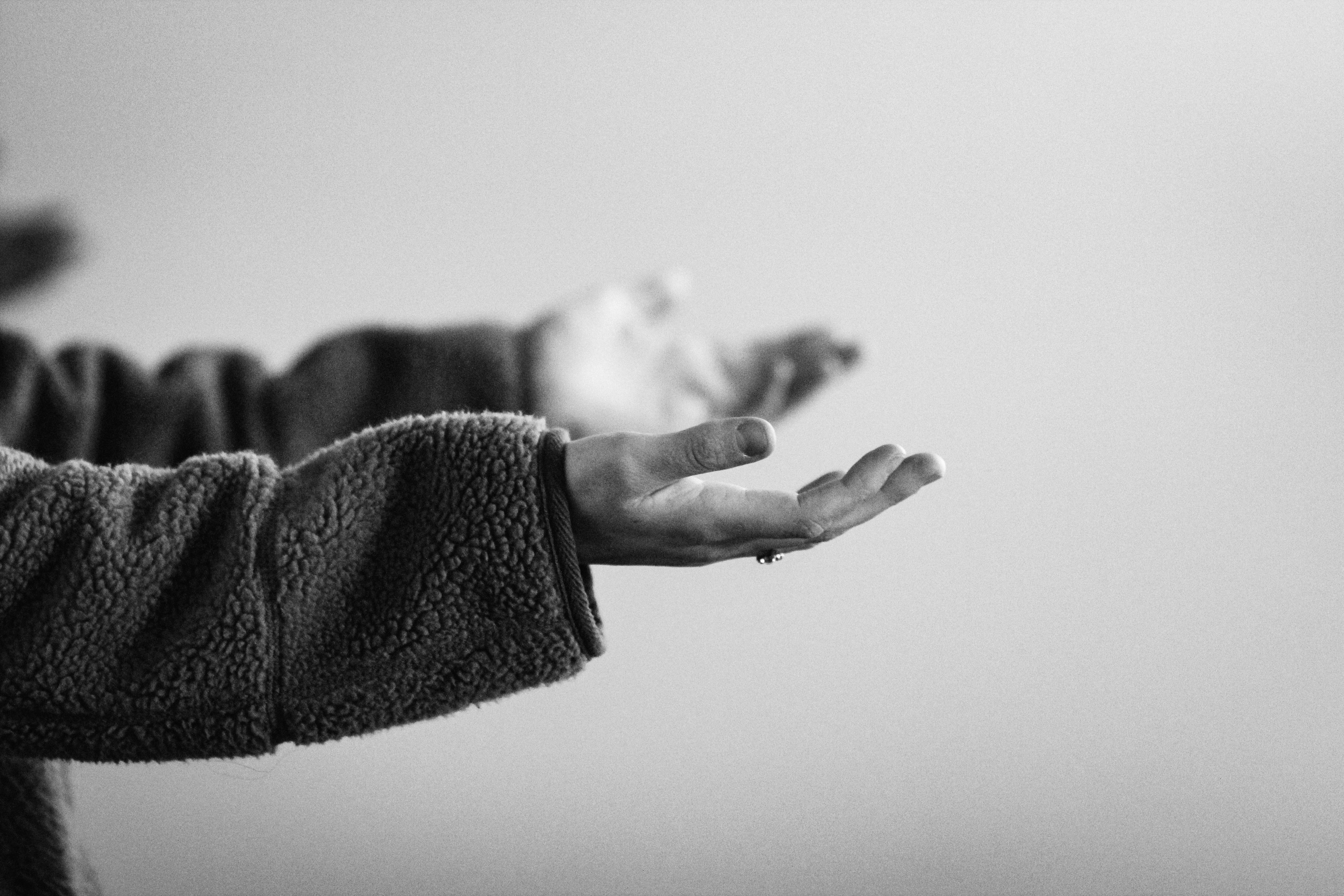
Paul held his life loosely; the believers held their opinions loosely; and God did more through that surrender than any of them imagined. If there is a matter you have argued over long enough, open your hands today and say with the believers at Caesarea, let the will of the Lord be done.
Our thoughts are small, and they seem so reasonable to us. But God's will is larger than our sight and stronger than our fear, and it is always aimed at salvation and forgiveness for many.